
Private colleges in Mauritius have long been an essential part of the island’s education system. Their history reflects the struggle of Mauritians for wider access to education, while their development today aligns with the country’s ambition to become a regional hub for learning. From their colonial foundations to their modern role in higher education, private institutions have continually adapted to the needs of society and national priorities.
Historical Catalysts and Expansion
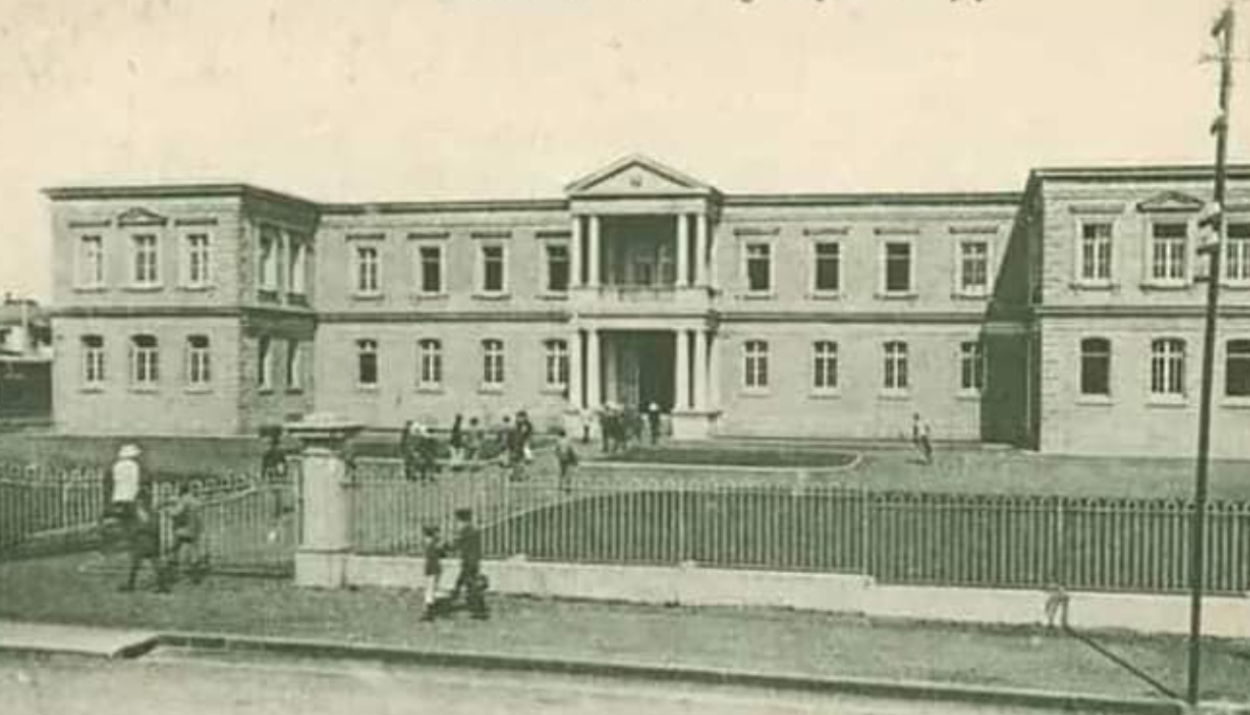
During the colonial period, education was mainly controlled by denominational schools. Access was limited, and opportunities were unequal. To provide alternatives, independent educators created institutions such as the Mauritius College, which promoted a more progressive and scientific approach. However, many private schools lacked proper resources, and the gap in quality became more visible after independence in 1968.
The student protests of 1975 marked a turning point. They drew attention to inequalities between well-funded public or religious schools and under-resourced private colleges. As a result, major reforms followed, including the abolition of school fees and the creation of the Private Secondary Schools Authority (PSSA) in 1978. The PSSA was set up to regulate, support, and provide financial assistance to private colleges, helping students from less privileged backgrounds to access secondary education.
Bridging Access and Expanding Tertiary Choices
With modernisation, the demand for higher education increased. Public universities could not meet this demand alone, so private tertiary institutions stepped in. Today, around 35 to 45 private higher education institutions operate alongside public universities. They offer programmes in areas such as management, information technology, and law, meeting both academic and professional needs.
Private colleges also introduced flexible learning, including evening and weekend courses and distance education. This has benefited working adults who wish to upgrade their qualifications while maintaining employment.
Regulation and Quality Assurance
The Higher Education Commission (HEC) regulates both public and private higher education institutions. It is responsible for registering providers, accrediting programmes, conducting quality audits, and ensuring that qualifications are recognised nationally and internationally. As of 2024, 33 private higher education institutions are officially registered under the HEC.
Innovation and International Positioning
Some private colleges have specialised in niche areas. For example, the Sir Seewoosagur Ramgoolam Medical College, established in 1999, provides medical training and helps reduce the country’s reliance on foreign institutions. At the same time, the private tertiary sector contributes to Mauritius’s goal of becoming an international education hub. By welcoming students from neighbouring countries, these institutions help strengthen the country’s global reputation.
Conclusion
Private colleges in Mauritius have grown from modest beginnings into strong partners in the education system. They have increased access, provided flexible opportunities, and contributed to national development. Their continued regulation and support under the HEC ensure that they remain an important part of building a modern, inclusive, and competitive Mauritian education landscape.