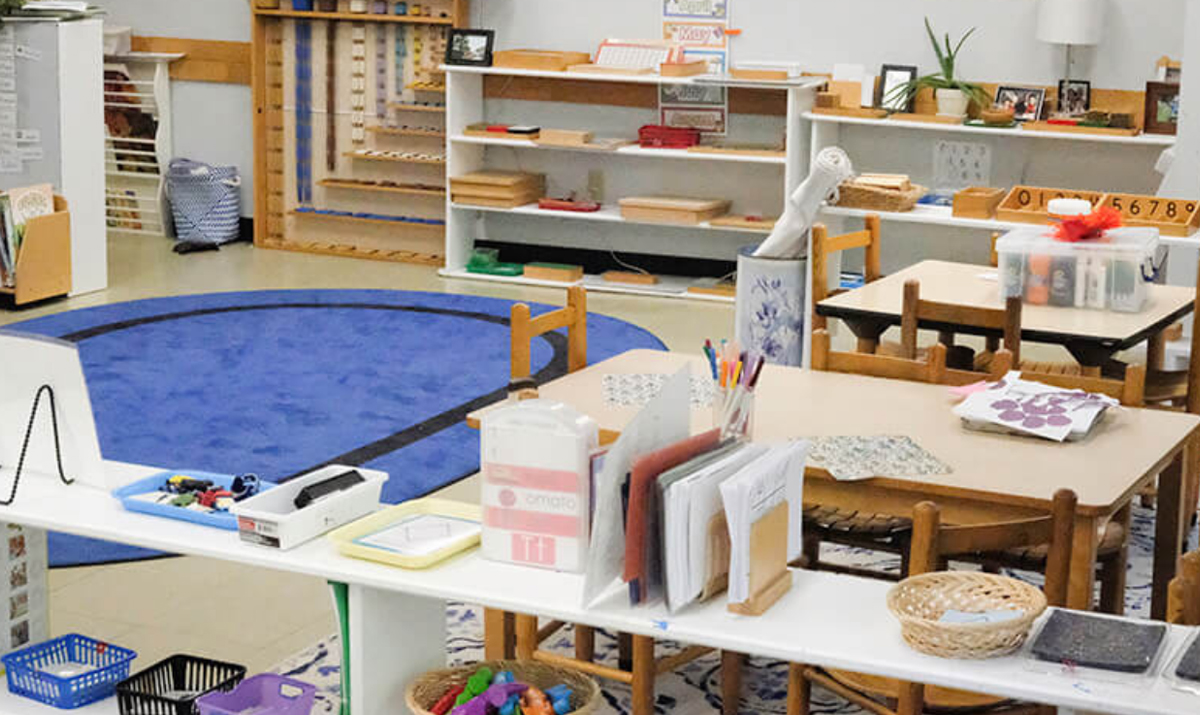

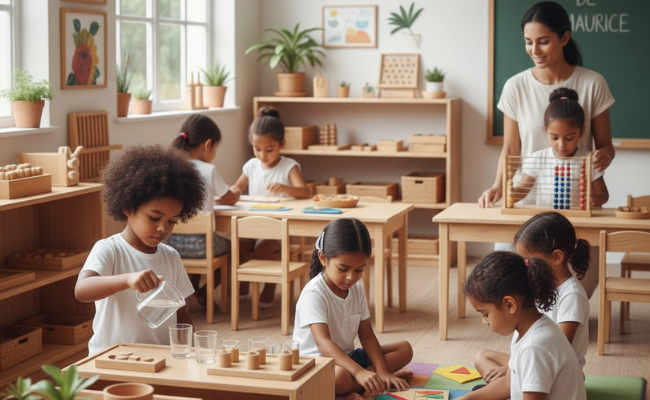
Montessori education, developed by Dr Maria Montessori in the early twentieth century, emphasises self-directed learning, practical experiences, and respect for each child’s natural development. In Mauritius, this approach has found a place within the country’s rich multicultural society and is influencing the way young children learn and grow.
Embracing a Child-Centred Approach
For many years, education in Mauritius has followed a structured and teacher-led model, shaped by both British and French traditions during the colonial period. The Montessori method, however, offers a different perspective. It places the child at the centre of the classroom, encouraging independence, curiosity, and responsibility. Schools such as L’île aux Enfants in Cascavelle and Judy Montessori in Mare d’Albert have adopted this philosophy. By combining the International Primary Curriculum with Montessori principles, they provide opportunities for pupils to work at their own pace, developing confidence and a love for learning.
Holistic Development Beyond Academics
Montessori education in Mauritius is not limited to academic progress. It also focuses on social, emotional, and physical growth. La Maison des Enfants in Tamarin, for example, highlights positive discipline, respect, and a screen-free environment. This reflects the Montessori view that children learn best when they feel valued and supported. Such an approach allows young learners to grow into thoughtful, cooperative, and resilient individuals.
Integration with National Standards
In Mauritius, education is strongly connected to the requirements of the Ministry of Education and the Mauritian Institute of Education (MIE). Some Montessori schools, including Judy Montessori, ensure that children are familiar with MIE textbooks while still benefiting from hands-on Montessori materials. This balance prepares pupils for national examinations while maintaining the creativity and independence that Montessori learning encourages.
Responding to Modern Educational Needs
There has also been a rise in nature-based preschools in the north of the island. While not strictly Montessori, these schools share its philosophy of learning through discovery and close interaction with the natural world. They complement the wider movement towards holistic education in Mauritius, responding to parents’ interest in approaches that develop both the mind and the character of their children.
A Vision for the Future
Montessori education in Mauritius is more than a passing trend. It is part of a broader effort to prepare children for a changing society by valuing independence, respect, and holistic growth. By combining international best practices with the realities of the local context, Montessori schools are helping to shape a generation of young Mauritians who are adaptable, confident, and compassionate.
In conclusion, Montessori schools in Mauritius are not simply following an alternative method. They are offering a pathway to education that honours the unique potential of every child, while supporting the island’s vision of inclusive and forward-looking learning.